
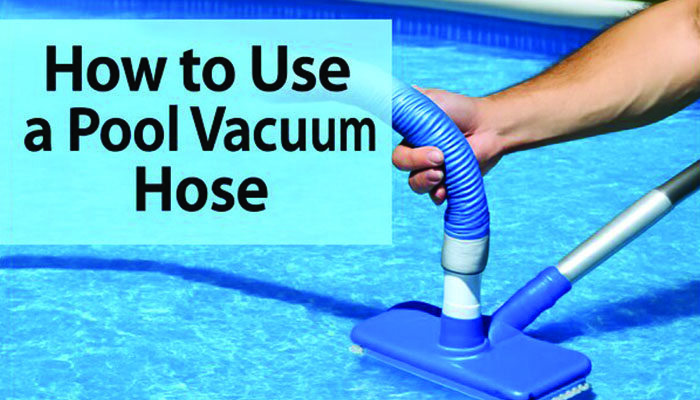
If you want to keep your pool clean and thus prevent problems, then using a vacuum hose is essential. Whether you have an above-ground or in-ground pool, learning how to use the vacuum hose will make it easier to remove debris, dirt, and algae from your pool floor—which means being able to maintain crystal clear water. Well, here is a simple guide on how to use a pool vacuum hose properly.
Table of Contents
The Role of the Vacuum Hose in Pool Cleaning
Think about the vacuum hose as the bloodline to your manual cleaning system. It forms a sealed vacuum channel from the vacuum head on the guest floor to the skimmer inlet, where it is connected to our powerful filter pump. This system, when installed properly, will provide superior flow while efficiently pulling debris off the floor of the pool and up into the filter.
When there is air in the hose, the hose has a crack (or cracks), or its connection is loose, suction power falls off significantly. As a result, this leaves dirt in your path, causing you to make multiple passes and waste time and energy. Mastering the technique to use a hose is critical for cleaning every time.
What do you need?
Before you begin, make sure to gather all the necessary equipment. Having everything prepared in advance will make the cleaning process much more efficient.
- Pool Vacuum Hose: Ensure the hose is long enough to reach every corner of your pool from the skimmer.
- Vacuum Head: Select the right vacuum head based on your pool’s surface. For example, use a wheeled head for concrete pools or a brush head for vinyl-lined pools.
- Telescopic Pole: This pole connects to the vacuum head, enabling you to guide it across the pool floor easily.
- Skim Vac Plate (or Vacuum Plate): This adapter fits over the skimmer basket and provides a port to connect the vacuum hose, allowing you to connect the hose securely to the pool’s filtration system.
Step-by-step guide to using your pool vacuum hose
Follow these steps carefully for maximum suction and a flawless clean. The most important part is removing all the air from the hose before you begin.
- Connect the Hose and Vacuum Head
Begin by gathering your equipment. Connect the vacuum head to one end of your telescopic pole, and make sure that the clips hold it in place. After setting the vacuum head, grab one end of your vacuum hose (we suggest using the end with a swivel cuff to prevent tangling) and press it onto the nose of the vacuum head pretty snugly. This swivel cuff will keep the hose loose to ensure that you can work without any kinking or tangling. Tight and secure connection between parts to get your pool cleaner running smoothly.
- Assemble Your Equipment
Begin by connecting the vacuum head firmly to the exposed end of your telescopic pole so it clicks in place. When the vacuum head is in place, take one end of your pool vacuum hose and attach it to the top portion of the vacuum head. If your hose features a swivel cuff, be sure to attach the cuffed end to the vacuum head. This makes the hose very flexible and then free to move with no kinks when you’re using it and no tangles or kinks when it’s coiled. Once the vacuum is attached, make sure all connections are tight and secure so you have effective vacuuming of the pool floor prior to cleaning.
- Prime the Pool Vacuum Hose
This is the most critical step for ensuring strong suction. A hose full of air will not create the necessary vacuum to pull debris from the pool floor. You must purge all the air from the hose before connecting it to the skimmer.
Here’s how to do it:
- Place the vacuum head, pole, and connected hose into the pool, letting the vacuum head rest on the pool floor.
- Take the free end of the hose and hold it against one of the pool’s return jets. The force of the water shooting into the hose will push all the air out.
- You’ll see air bubbles coming out of the vacuum head at the bottom of the pool. Keep the hose over the jet until the bubbles stop. This indicates the hose is now full of water.
- Alternatively, you can slowly feed the hose vertically into the water, allowing it to fill up as it sinks.
- Connect the Hose to the Skimmer
With the hose now full of water, you need to connect it to the pump’s suction line via the skimmer. Speed is important here to avoid letting air back into the hose.
- If your skimmer has a dedicated suction port, simply plug the hose into it.
- If not, remove the skimmer basket and place your skim vac plate on top of the skimmer opening.
- Keeping the free end of the hose underwater, bring it over to the skimmer and plug it firmly into the hole on the skim vac plate.
You should feel the hose tighten as the pump’s suction takes hold. The system is now ready.
- Start Vacuuming
Now you can begin cleaning your pool. Use the telescopic pole to guide the vacuum head across the floor of the pool.
- Move slowly and deliberately. Moving too quickly will kick up debris, making the water cloudy and forcing you to wait for it to settle again.
- Work in a pattern. Start at the shallow end and work your way toward the deep end, using overlapping parallel lines, much like mowing a lawn. This ensures you don’t miss any spots.
- Pay attention to the pump. If you hear the pump making a straining noise or the suction weakens, the pump basket or skimmer basket may be full. Turn off the pump, empty the baskets, and restart the process.
Frequently Asked Questions
How often should I vacuum my pool?
It’s recommended to vacuum your pool at least once a week to remove debris and maintain water clarity.
Can I use a pool vacuum on an above-ground pool?
Yes, both manual and automatic pool vacuums can be used for above-ground pools with the appropriate attachments.
Why is my vacuum not picking up debris?
Check for blockages in the hose or filter, ensure the vacuum head is correctly positioned, and verify that the suction power is optimal.
How do I prevent algae buildup in my pool?
Maintain proper chlorine levels, regularly vacuum the pool, and ensure good water circulation and filtration.
Can I fix a small leak in my hose?
Temporary fixes with waterproof tape may work, but it’s best to replace a damaged hose to maintain proper suction.
Conclusion
Using a pool vacuum hose is cleaning your pool. With these steps for priming, hooking up, and using your vacuum, you will keep your pool clean with minimal effort. Whether you’ve got a manual vacuum or an automatic one, regular vacuuming is absolutely necessary to keep your pool’s water clean and sanitary for swimmers. Be sure to take care of your vacuum hose and other stuff too if you want them to last with high efficiency. All season long, you’ll keep your pool in top shape when armed with the right supplies and know-how.