
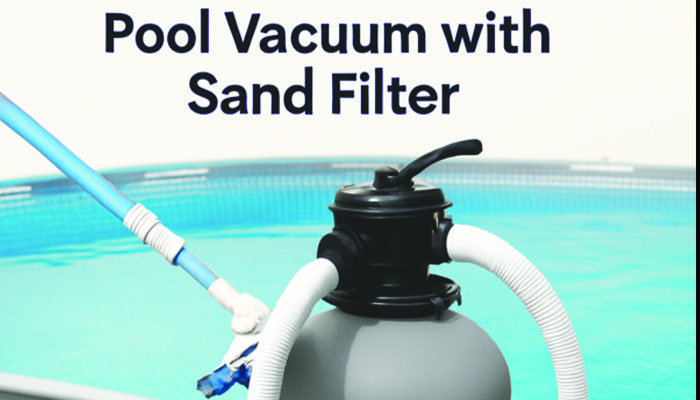
A pool vacuum is an essential tool for maintaining the cleanliness and clarity of your swimming pool. It helps to remove dirt, debris, and other unwanted materials from your pool water. However, in order for your pool vacuum to work effectively, it needs to be used in conjunction with a sand filter.
In this guide, we will walk you through the steps on how to use a pool vacuum properly with a sand filter so that you can keep your swimming pool clean and sparkling all season long.
Table of Contents
What Is a Sand Filter?
A sand filter is a type of pool filtration system that uses specially graded sand to remove debris and particles from the water. As water flows through the sand, dirt and debris are trapped, and clean water is returned to the pool. Sand filters are known for their efficiency and low maintenance requirements.
How Does a Pool Vacuum Work with a Sand Filter?
When you connect a pool vacuum to your sand filter system, the vacuum uses the suction created by the pool pump to draw in water and debris. The sand filter then captures the debris, ensuring that only clean water is returned to the pool. This process helps maintain water clarity and reduces the workload on your pool’s filtration system.
1: Prepare Your Pool Vacuum
Before using your pool vacuum, make sure it is clean and free of any debris or clogs. Please inspect the vacuum hose for any holes or tears, and replace it if necessary. You may also want to check the filter bag or cartridge and clean or replace it if needed. This will ensure that your vacuum is working at its best capacity and will effectively clean your pool.
2: Check Your Sand Filter
It is important to regularly check and maintain your sand filter to keep it in excellent working condition. Before using the pool vacuum, make sure that the sand filter is turned on and running properly. If you notice any issues with the filter, such as low pressure or cloudy water, it may be time to backwash or replace the sand in it. Backwashing involves reversing the water flow through the filter, flushing out any trapped debris or contaminants. This should be done at least once a month, or more frequently if your pool is heavily used.
3: Inspect and Clean Your Pool Vacuum
Before using your pool vacuum, take a few minutes to inspect it for any damage or wear and tear. Check the hoses and connections for cracks or leaks, and replace any damaged parts before use. It is also important to clean the vacuum’s filter regularly to ensure efficient suction power. Most models have a removable filter that can be washed with water, but make sure to follow the manufacturer’s instructions for proper maintenance.
4: Choose the Right Time to vacuum.
It’s best to vacuum your pool when it is not in use, as swimming or playing in the water can stir up debris and make it harder to clean. Additionally, sunlight can cause algae growth, so vacuuming during the early morning or evening hours may be more effective. Be sure to also check the weather forecast before vacuuming—heavy rainfall can bring in lots of debris and affect the clarity of your pool water.
5: Properly Position Your Pool Vacuum
When using a manual pool vacuum, make sure to position it correctly for maximum efficiency. The head of the vacuum should be submerged underwater while holding onto the pole above water level. Move slowly around the pool, overlapping each movement to ensure that all debris is captured. Additionally, pay attention to areas that may need extra cleaning, such as corners and steps.
6: Clean and Maintain Your Pool Vacuum
After each use, be sure to clean your pool vacuum thoroughly. Remove any debris from the skimmer basket or filter bag and rinse off the head of the vacuum with a garden hose. Store your pool vacuum in a dry place to prevent mold or mildew growth. It’s also important to regularly check for wear and tear on your vacuum, such as cracks in hoses or suction issues. Maintaining your pool vacuum will help it last longer and function more effectively.
Additional Tips for Keeping Your Pool Clean
In addition to using a pool vacuum, there are several other things you can do to keep your pool clean and well-maintained. Here are some tips:
Skim the surface daily: Use a skimmer net to remove leaves, insects, and other debris from the surface of your pool.
Regularly brush the walls and floor to prevent algae growth and maintain the sparkling cleanliness of your pool.
Check and balance chemical levels: It’s important to regularly test and adjust the pH, chlorine, and alkalinity levels in your pool to ensure it stays balanced and safe for swimming.
Shock your pool weekly: Shocking your pool with a high dose of chlorine can help eliminate bacteria, algae, and other contaminants that may be lurking in the water.
Clean the filters: Your pool’s filtration system is responsible for removing dirt, debris, and other impurities from the water. It’s important to clean or replace your filters regularly to maintain proper function.
Skim and vacuum the surface and bottom of your pool: Regularly skimming and vacuuming your pool will help remove any remaining debris or particles that may have settled on the bottom.
Maintain a consistent water level: Keep an eye on your pool’s water level and make sure it stays within the recommended range to ensure proper circulation and filtration.
Empty skimmer and pump baskets: It’s important to regularly empty the skimmer and pump baskets, as they can become clogged with debris, hindering proper water flow.
Shock your pool: Shocking your pool involves adding high levels of chlorine or other chemicals to help kill bacteria and other contaminants. This should be done regularly, especially after heavy usage or rain.
Test your water frequently: Regularly testing your pool’s water is important for guaranteeing proper chemical balance and preventing algae growth. Make sure to use reliable testing kits and follow recommended guidelines for treatment.
Clean the pool walls and tiles: Over time, dirt and grime can build up on the walls and tiles of your pool, making it look unappealing. Use a pool brush or scrubber to clean these surfaces periodically.
Pay attention to the filter: The filter is an essential component of your pool’s maintenance system. Make sure to regularly clean or replace the filter cartridge as needed to keep it functioning properly.
Check for leaks: If you notice a decrease in water levels, there may be a leak in your pool. Inspect for any visible cracks or tears and repair them promptly to prevent further damage.
Keep the area around the pool clean: When leaves, debris, and other foreign objects enter your pool, they can affect its chemical balance and clog up filters. Regularly sweep or vacuum the area around your pool to prevent this from happening.
Monitor chemical levels: Chemicals are an essential part of keeping your pool safe and clean for use. Test the water regularly to ensure proper levels of chlorine, pH, and alkalinity. Make any necessary adjustments to maintain a balanced and healthy pool.
Use a pool cover: A pool cover can help keep debris out of your pool when it’s not in use, reducing the maintenance needed and saving you time and money in the long run.
Consider hiring a professional: For those who don’t have the time or knowledge to properly maintain their pool, hiring a professional can be a great option. They have the expertise and equipment to keep your pool in top condition, allowing you to relax and enjoy it without any worries.
Be mindful of the environment: When choosing products for your pool, opt for environmentally friendly options that won’t harm plants or wildlife if they accidentally end up in your pool. It’s also important to properly dispose of any chemicals or materials used in maintaining your pool.
Educate yourself: Do some research and educate yourself on proper pool maintenance techniques and best practices. This will not only ensure that your pool stays clean and safe, but it can also save you money by preventing costly mistakes.
Enjoy your pool responsibly: Finally, remember that owning a pool comes with responsibility. Make sure to follow safety guidelines, supervise children at all times, and be considerate of your neighbors when using your pool. With proper maintenance and responsible ownership, you can enjoy your pool for years to come.
Additional features: Depending on the type of pool you have, there may be additional features that require maintenance or upkeep. This could include a filtration system, heating system, or water features like fountains or slides. Make sure to familiarize yourself with these features and their maintenance requirements.
Frequently Asked Questions
How often should I vacuum my pool with a sand filter?
It’s recommended to vacuum your pool at least once a week to prevent debris buildup and maintain water clarity.
Can I use an automatic pool vacuum with a sand filter?
Yes, automatic pool vacuums can be used with sand filters. Ensure that your filter is properly maintained to handle the increased workload.
Could you please help me understand why my pool vacuum is losing suction?
Loss of suction can be caused by air leaks in the hose, a clogged filter, or a low water level. Please examine and resolve these issues to restore suction.
How do I know when to backwash my sand filter?
Backwash your sand filter when the pressure gauge reads 8-10 psi above the normal operating level, or when water flow decreases.
Can I vacuum my pool while it’s in use?
It’s best to vacuum your pool when it’s not in use to avoid disturbing swimmers and to ensure effective cleaning.
Conclusion
Using a pool vacuum with a sand filter is an effective way to maintain a clean and clear swimming pool. By following the steps outlined in this guide and performing regular maintenance, you can ensure that your pool remains inviting and safe for swimmers. Remember to monitor the performance of your sand filter and vacuum system and address any issues promptly to prolong the life of your equipment and enjoy a pristine pool year-round.