
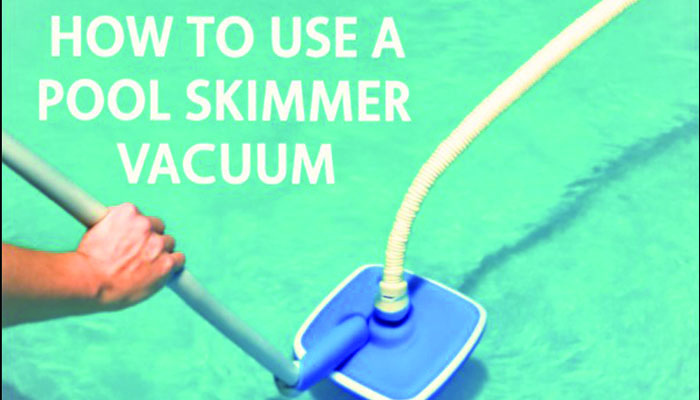
The center of summer fun is a sparkling clean pool. But to keep it that way, maintaining a pool isn’t the easiest thing on the planet. Leaves, bugs, and other items can easily make your backyard oasis look more like a swamp. Automatic cleaners are wonderful, but sometimes you want just a quick, gerrymandered clean. This is when a pool skimmer vacuum becomes useful. It’s an easy, effective way to do manual pool vacuuming with your existing pool equipment.
This guide will tell you everything you need to know. We’ll discuss needed gear, detail the step-by-step process for vacuuming, and offer advice for troubleshooting. With that in mind, with Swiffering the pool every week, it will remain clean and free from any dirt or debris all season.
Table of Contents
What You’ll Need
Before you even begin, it’s best to have the right tools in hand. If you want to use a pool skimmer vacuum on your pool, some essential pieces attach to your pool’s filtration system.
Extension Pole: This telescoping pole extends super long so you can get to every inch of your pool.
Vacuum Head: This is the component that crawls across the pool floor and walls, sucking up sediment. There are varieties with but most feature wheels for easy transport.
Vacuum Hose: This is a long, flexible hose that runs from the vacuum head to the skimmer. Just be sure to choose one that is long enough for the entire pool.
Skim Vac Plate (or Vacuum Plate)—This is important. It’s a flat plate with a hose adapter that fits outside your skimmer basket to seal off the suction for the vacuum hose.
Step-by-Step Guide to Vacuuming Your Pool
Once you have your equipment ready, you can begin the process of vacuuming your pool. Follow these steps for an efficient and effective clean.
Step 1: Assemble Your Equipment
First, secure the vacuum head to the telescopic pole—place the head on an even surface and adjust by aligning with the connector on top of your pole, then simply close using a clip system. This is relatively an easy task, as most vacuum heads and poles have a simple clip on them for you to assemble. After the head is assembled, insert one end of the vac hose into the top of the vacuum head. Make sure the hose is connected tightly to avoid it coming loose or falling off during operation. It is important to take the following preliminary steps when preparing your vacuum system for use.
Step 2: Prime the Hose
It is one of the most critical pieces. You must get all the air out of the vacuum hose to have good suction. But if you attach a hose of air to your skimmer, then you risk drawing the air into the pump, where it can do real damage.
To give the hose a head start to be filled, place the entire assembled unit (vacuum head and hose) into the pool. Place the loose end of the hose on one of the pool’s return jets. You’ll notice air bubbles release from the vacuum head. Let it sit steady there until the bubbles cease and the hose is full of water.
Step 3: Connect to the Skimmer
With the hose full of water, you need to connect it to the skimmer suction line. Keep the end of the hose submerged to prevent air from getting back in.
First, remove the skimmer lid and the skimmer basket. Place the skim vac plate on top of the skimmer opening where the basket usually sits. Now, bring the water-filled end of your vacuum hose over to the skimmer and plug it into the hole on the skim vac plate. The plate will create a tight seal, directing all of the pump’s suction through your vacuum hose.
Step 4: Adjust Your Pump Settings
You may also need to reconfigure your pool’s multiport valve for maximum suction. If your system is configured for Filter, you may continue. But if you are sucking up an excessive amount of trash or very fine silt, then you may want to put the valve in Waste.
The Water Waste setting releases the water off to the side directly out of the system (not through the filter). This also prevents there being a repeated introduction of fine particles into the pool. Note that this will decrease the water level in your pool, so you’ll have to replenish it afterward.
If you have multiple skimmers, you can close the valves on the ones you aren’t using to maximize suction to your vacuum.
Step 5: Start Vacuuming
Now you are ready for the main event: vacuuming a pool. Move the vacuum head across the floor of the pool using slow, deliberate motions, much like you would when vacuuming a carpet. Overlap your strokes slightly to ensure you don’t miss any spots.
Begin at the shallow end of the pool and gradually move towards the deeper end.
If the water becomes cloudy, pause for a while to let the debris settle before you continue. Rushing the process will only stir up dirt, making your job harder.
Step 6: Clean Up and Finish
Once you have vacuumed away all of the pool, it’s time to clean up. Shut down the pool pump before removing the hose from the skimmer. This keeps the system from ingesting a blast of air.
Unhook the hose and vac plate, and reattach the skimmer basket/lid. In case you were on Filter mode, you would need to backwash or clean your filter to get rid of the dirt collected. If you backwashed on “Waste,” be sure to return your multiport valve to the Filter position and add water to restore the pool’s normal level. Last of all, unscrew the vacuum head and hose from the pole and put everything away.
Troubleshooting Common Issues
Even with the best preparation, you might run into some problems. Here are a few common issues and how to fix them.
Low Suction: The most probable cause is air in the pump. Did you backfill that hose and ensure it’s still attached securely to the skimmer hole for the vac plate??? Look for any rips or tears in your vacuum hose allowing air to enter. And, make sure that your filter is clean—a clogged filter can greatly limit suction power.
Vacuum Head Is Stuck: If the vacuum head seems stuck to the pool floor, then there is too much suction. Some skimmer vacuum plates come with a pressure relief valve to assist in this. If your vacuum head does not have that feature, you might try adjusting the skimmer opening so it’s slightly uncovered to reduce suction.
Debris Blowing Back Into The Pool: This is typically because your filter requires service. If it’s got a multiport valve, you might have a bad gasket, which is letting water bypass the filter. In the case of cartridge or D.E. filters, it may indicate a tear or hole in the filter media.
Maintaining Your Pool Skimmer Vacuum
The lifespan of your pool maintenance equipment is increased with proper care. To get rid of pool chemicals, clean the vacuum head, hose, and pole with fresh water after each usage. Over time, UV radiation can cause the plastic to become brittle, so keep them out of direct sunlight. Check your vacuum head’s wheels and brushes for wear and tear, and periodically check the hose for breaks or leaks.
Maintaining the cleanliness of your pool doesn’t have to be difficult. Learning how to use a pool skimmer vacuum gives you a useful tool for routine maintenance and speedy cleanups. To keep your pool a lovely and welcoming retreat, a little work goes a long way.
Please forward this guide to other pool owners if you found it useful. Making pool cleanliness a top priority guarantees that everyone can swim safely and enjoyably.
FAQs
How often should I clean my pool?
It is recommended to clean your pool at least once a week. However, if you notice an increase in debris or algae growth, it may be necessary to clean more frequently.
How often should I test my pool water?
Pool water should be tested at least once a week. During periods of heavy usage or extreme weather conditions, it may be helpful to test the water more frequently.
What chemicals do I need for my pool?
The most common chemicals used in pools are chlorine, pH increaser and decreaser, alkalinity increaser, and calcium hardness increaser. These can typically be found in a pool maintenance kit or purchased separately from a pool supply store.
How much chlorine do I need for my pool?
The amount of chlorine needed for your pool will vary depending on the size of your pool and the level of contaminants present. On average, 1-3 parts per million (ppm) of chlorine is recommended for residential pools.
Can I use household bleach instead of chlorine?
It is not recommended to use household bleach as a substitute for chlorine in your pool. Household bleach contains other chemicals that may be harmful to your pool and can throw off the water balance.
Conclusion
Maintaining proper pool care is essential for ensuring a safe and enjoyable swimming environment. By understanding the correct use of chlorine and other pool maintenance practices, you can keep your water clean, balanced, and free from harmful contaminants. Always follow expert recommendations and use appropriate products to preserve the health and longevity of your pool.